How Wheel Arches Are Painted
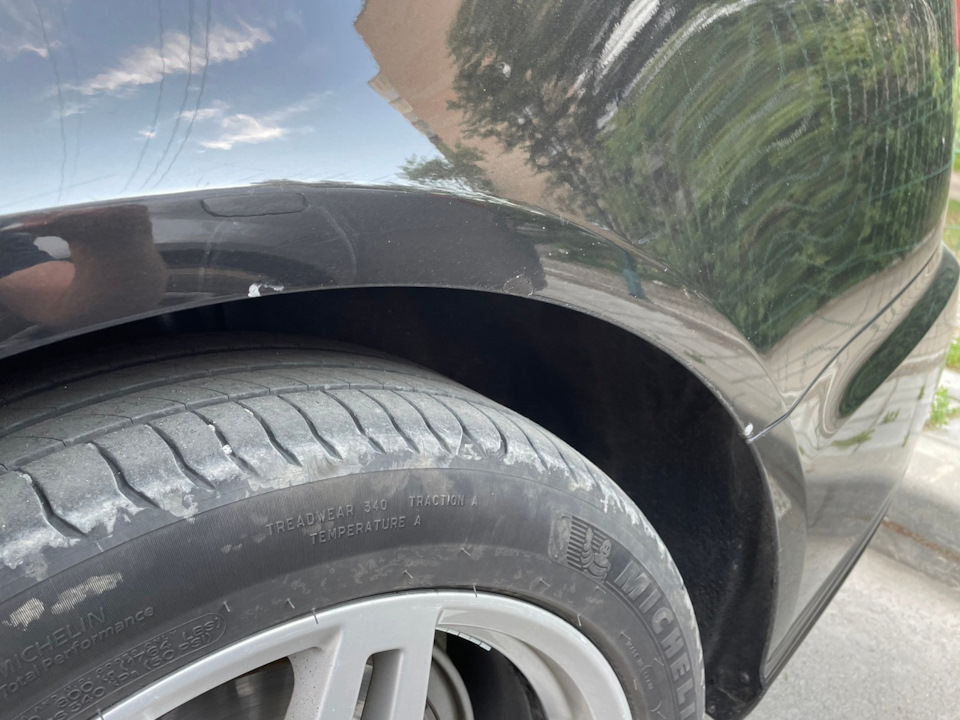
Our workshop paints wheel arches on cars of any make. Our technicians know every aspect of this work, have years of experience, and we have all the necessary equipment.
Preparing the car for wheel-arch painting is the most demanding and labour-intensive part of the job. It includes the following stages:
- Washing and cleaning: Thoroughly washing and cleaning the wheel-arch surfaces is an essential first step.
- Removing the old paint: The existing paint layer is stripped to provide a sound base for the new finish.
- Degreasing: The arch surfaces are degreased to remove organic contaminants such as grease and tar.
- Repair: Any defects in the wheel arches are repaired, including grinding back damaged areas and sanding.
- Rust removal: Rust is removed with abrasives.
- Rust converter: After the rust is removed, the surfaces are treated with a special rust converter.
- Spot-welding patches: If there are holes right through the metal, patches are spot-welded in.
- Priming: Once all the prep work is done, the surfaces are primed and sanded.
- Washing and degreasing after sanding: After sanding, the surfaces are washed and degreased again.
- Seam sealing: All seams and joints where the arch meets the wing and the sill are treated with automotive seam sealer.
- Anti-corrosion and stone-chip coating: The arches are treated with special compounds to protect them from corrosion and road debris.
Painting wheel arches calls for the following materials and equipment:
Abrasives for sanding and surface preparation.
Two-component body filler.
Rubber and metal spreaders.
Specialised automotive primers.
Polishing compounds.
Solvents and degreasers.
A sander.
An electric drill with attachments.
A small compressor.
Masking paper for the areas that will not be painted.
Insulating tape.
Masking tape.
After all the preparation, the stone-chip coating goes on, then primer, then the topcoat. The best results come from following the process and its sequence precisely. Note that the finish is applied in several coats, with drying and sanding between them. Masking tape and insulating tape should be removed before the paint has fully dried.
This method works both for a full respray and for localised repairs.