How Car Bumper Repair and Painting Works
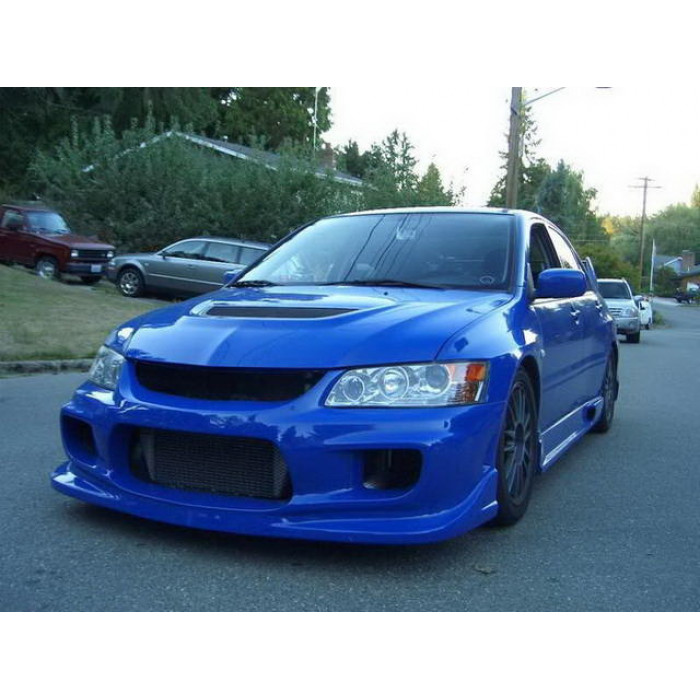
Car bumper repair and painting is the process of restoring a bumper’s appearance after scratches, dents, cracks or corrosion. The procedure varies depending on how severe the damage is and what the bumper is made of (usually plastic or fiberglass). Below are the general steps that bumper repair and painting typically involve:
- Preparation: The car should be parked in a clean, well-lit area. Wipe down the bumper surface to remove dirt, dust and other contaminants. If the bumper has removable parts (such as the grille), it is best to take them off for easier access.
- Damage assessment: Evaluate how badly the bumper is damaged. If the damage is minor (small scratches, chips), painting alone may be enough. For serious damage (dents, cracks), repair work is needed before painting.
- Repair: Any dents or cracks in the bumper need to be fixed. Special materials are used for this, such as reinforcing mesh, fiberglass or plastic patches. First the damaged areas are prepared to ensure good adhesion with the repair material, then layers of material are applied to rebuild the bumper’s shape. Once the repair material has cured, the surface is sanded smooth.
- Sanding: Before painting, the bumper surface is sanded to remove rough and uneven spots. Sanding also creates a fine texture that helps the paint bond better to the surface.
- Masking: Tape off and protect the adjacent parts of the car to keep paint from accidentally getting on them. Headlights, the radiator grille and other elements that are not being painted are masked as well.
- Painting: Paint is applied to the prepared surface. Spray guns are used to apply the paint evenly. Depending on the color and type of paint, several coats may be needed to achieve the desired shade.
- Finishing: Once the bumper is painted, the paint is left to dry. After drying, a quality check is carried out to make sure the shade is correct and there are no defects. The masking materials are then removed.
- Polishing (if needed): If the bumper surface is not smooth enough after painting or has minor flaws, it is polished to give it a flawless look.
- Reassembly (if needed): If any bumper parts were removed, they are put back in place.
It is worth noting that bumper repair and painting are complex processes, and for a quality result it is best to turn to experienced technicians or a body shop that specializes in body repair and car painting.