Spot Painting a Car
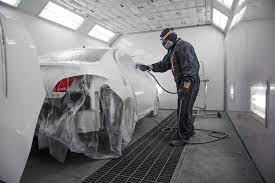
Spot painting means repainting only a specific area of the car, usually to fix minor defects such as scratches, stone chips or small damage. It restores the car’s appearance while leaving the rest of the finish untouched. Here is the general step-by-step process for spot painting:
- Assessing the damage:
- Identify where the damage is and what kind it is: a scratch, a chip, a dent or some other defect.
- Preparing the work area:
- Protect the surrounding surfaces from overspray with masking tape and film.
- Clean the work area of dirt, grease and old paint using detergent and sandpaper.
- Sanding and levelling:
- Use sandpaper of different grits to level the surface and remove defects.
- Stop sanding once the surface is smooth and uniform.
- Masking:
- Mask off every part of the car that should not be painted using masking tape and film.
- Priming:
- Apply automotive primer to the damaged area. Primer helps the paint bond well and protects against corrosion.
- Applying the paint:
- Use a suitable automotive paint matched to your car’s colour. Apply it in even coats, following the manufacturer’s recommendations on film thickness and drying times.
- Drying:
- Let the paint dry completely, following the instructions on the packaging and allowing for ambient conditions.
- Sanding and polishing:
- Once the paint has dried, sand it with fine-grit paper and then polish it to bring out the gloss and smoothness.
- Finishing:
- Remove the masking materials and inspect the finished surface for defects.
Spot painting is an excellent way to fix minor damage without a full respray. It keeps the car looking good and helps it last longer.