How Car Sills Are Painted
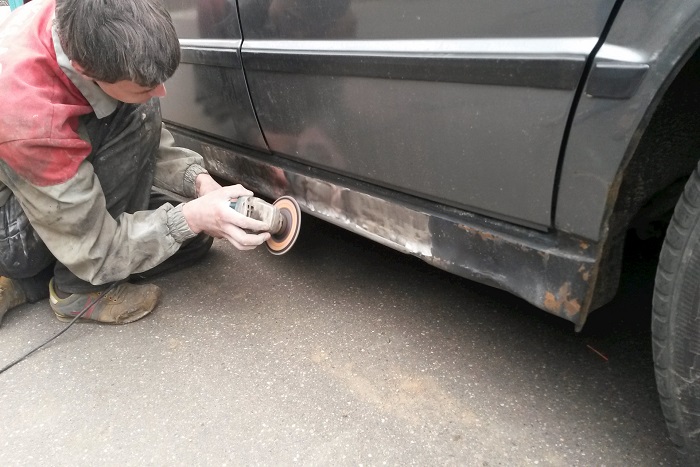
The way sills are painted depends on what they are made of. Metal sills can be painted without removing them from the body, whereas plastic sills have to be taken off and painted separately.
Metal sills are often fitted with plastic covers because they take a lot of punishment from the elements. For corrosion protection, metal sills are coated with stone-chip protection, but this complicates painting and is practically impossible to do properly at home.
Painted correctly and to spec, sills will last for many years. Plastic sills are painted the same way as any other plastic body part: they are removed from the car, prepared in the workshop and then painted. If the plastic sill is body-coloured, the exact shade has to be matched.
Once the sill repair is complete, the car goes straight into the spray booth. The painter masks the car professionally with masking paper so that no overspray lands on other parts of the body.
The right sill-painting process is an important part of body repair, and getting a quality result takes real technical know-how. The most common finishes today are metallic and acrylic. Metallic is applied in two stages (base coat and clear coat), while acrylic is easier to apply and needs no clear coat.
The paint system protects the sills and gives them an attractive appearance. Primer guards against corrosion and provides a bonding layer for the paint. Fillers are also used to level any unevenness on the sills after priming. The topcoat goes on last.
Remember that proper care of your car’s body is what keeps it looking good and lasting for years.