How a Car Wing Is Painted
Contents
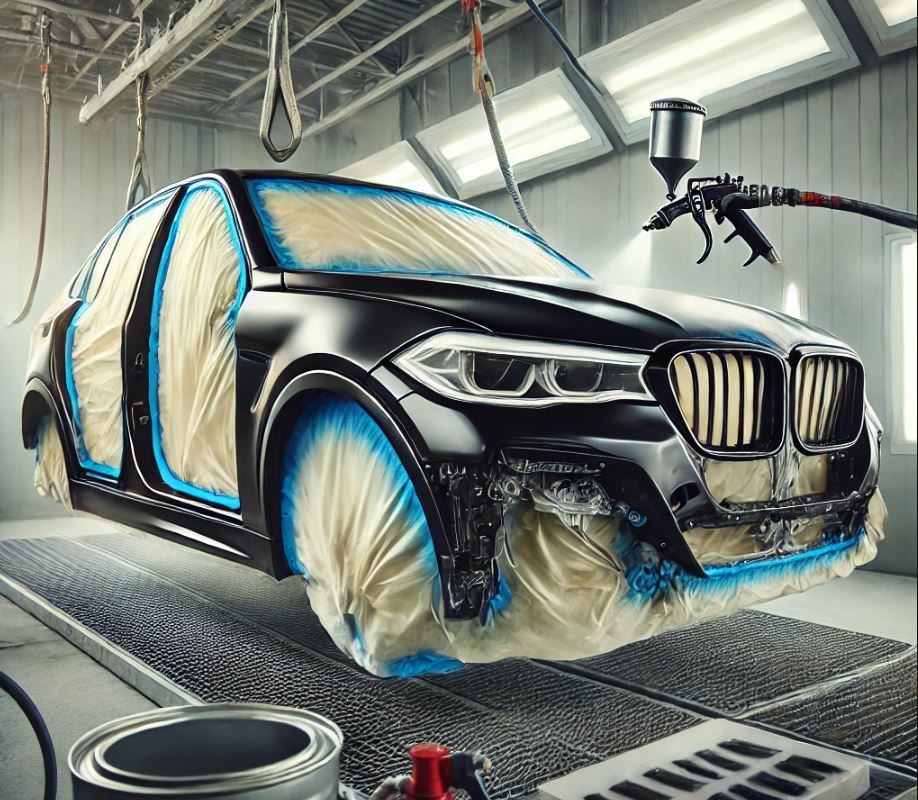
What painting a car wing involves
A car’s body takes most of the knocks and impacts, so it gets damaged often. When dents or scratches appear, repairs are needed, including repainting the wing to bring it back to its original look.
Wing painting demands strict adherence to a set sequence of steps to achieve an even, durable finish that holds up over time.
Preparing to paint a car wing
There is no room for shortcuts when painting a wing: even small mistakes compromise the quality and durability of the paint layer. Preparation is especially important, as it determines how evenly the paint goes on, how long it takes to dry, and other key factors. You need to:
Clean the work area and keep it free of dust and dirt.
Eliminate draughts.
Remove anything that is not needed.
Get all the necessary tools and materials ready.
A properly prepared workspace is the foundation of a professional, long-lasting paint job.
Choosing the paint
Today’s market offers a wide range of automotive paints. Wings are often painted with enamels containing additives that protect against corrosion, UV and other environmental effects. There are several types of paint:
- Melamine-alkyd, which needs three coats and is highly durable.
- Acrylic, which protects against temperature swings and corrosion but costs more.
- Nitro enamel, suitable for small repairs.
- Metallics, which dry quickly and give a decorative finish.
The choice of paint depends on budget, preference and the specifics of the job.
Surface preparation before painting
To get an even coat of paint, the wing surface must be properly prepared. This includes polishing damaged areas, using filler for deeper defects, and rebuilding every layer of the paint system where the damage is deep. The preparation involves these steps:
Polishing the damaged areas.
Applying filler to more serious defects.
Rebuilding all layers of the paint system where damage is deep.
Once all the preparation is done, painting can begin.
Painting the wing
With proper preparation, the painting itself goes smoothly and produces an even finish. The key points are:
Applying the paint in several coats.
Letting each coat dry thoroughly.
Finishing with a clear coat.
Repainting a wing restores the car’s appearance and removes defects. Proper preparation and the right choice of paint give the best results. The room where the work is done also affects the quality of the finish, since drying times have to be taken into account.