Cracks and Fractures in a Car Body
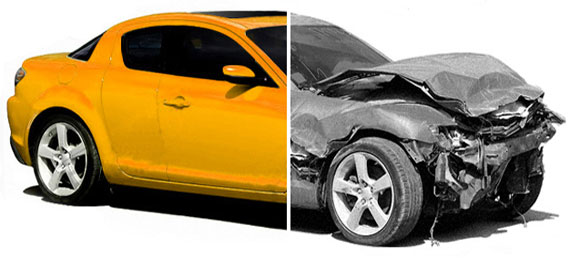
Cracks and fractures in a car body can appear for a variety of reasons, such as accidents, misuse, corrosion and other external factors. This damage can range in severity from small scratches and chips to deep cracks and deformation. It is important to take action to repair such damage, as it can affect the safety, performance and appearance of the vehicle.
Here are some general steps you can take if you find cracks or fractures in your car’s body:
- Assess the damage: First, inspect the cracks and fractures carefully to understand their size, shape and severity. This will help you decide whether you can repair the damage yourself or should turn to specialists.
- Repairing minor damage: If the damage is small, such as scratches and chips, you can try to fix it yourself with special touch-up paints and body filler. Read the product instructions carefully and follow them.
- Turn to professionals: If the damage is more serious, such as deep cracks, deformation or damage to structural elements, it is best to go to the specialists at a body shop. They can carry out a more accurate assessment and perform a professional repair.
- Replacing parts: In some cases the damage is so severe that entire body parts need replacing, such as doors, bumpers and wings. Specialists can do this using original or equivalent parts.
- Painting and finishing: After cracks and fractures have been repaired, painting and finishing may be needed to restore the car’s appearance. This is also best left to professionals to achieve a quality result.
- Preventing corrosion: After the repair, it is important to protect the affected areas from corrosion. This can be done by applying a protective coating or an anti-corrosion treatment.
Remember, safety always comes first. If body damage has affected the structural integrity or safety of your vehicle, contact specialists immediately and follow their recommendations.